

One of the most common comfort complaints homeowners have is uneven temperatures throughout the home. If your downstairs feels comfortable while the upstairs remains warm and stuffy, you’re not alone.
Many homeowners assume this is simply part of owning a two-story house, but in reality, significant temperature differences often indicate an underlying issue that can be improved.
Why Does Heat Rise?
The simplest explanation is that warm air naturally rises. During the summer, heat from your roof and attic can also transfer into upper-level rooms, making them more difficult to cool.
While some temperature variation is normal, large differences between floors usually point to problems with airflow, insulation, or HVAC performance.
Common Causes of Uneven Cooling
Poor Airflow
Your HVAC system relies on balanced airflow to maintain consistent temperatures throughout the home. Blocked vents, dirty filters, undersized ductwork, or improperly adjusted dampers can reduce airflow to second-floor rooms.
Even a partially restricted duct can make a noticeable difference in comfort.
Insufficient Attic Insulation
Your attic serves as a barrier between your living space and the summer sun. If insulation levels are inadequate, heat can penetrate into the rooms below, forcing your air conditioner to work harder.
Upgrading insulation is often one of the most cost-effective ways to improve comfort and energy efficiency.
Leaky Ductwork
Many homeowners don’t realize that conditioned air can escape through gaps, cracks, and disconnected ductwork before it ever reaches the intended room.
Duct leakage can significantly reduce cooling performance while increasing energy costs.
An Aging HVAC System
As systems age, efficiency and performance naturally decline. Components may struggle to move air effectively, and the system may no longer be properly sized for the home’s needs.
A professional evaluation can determine whether maintenance, repairs, or replacement should be considered.
Thermostat Placement
Your thermostat only measures the temperature where it’s located. If it’s installed on the first floor, the system may shut off before upstairs rooms have reached the desired temperature.
Smart thermostats and zoning systems can help address this issue.
Solutions That Can Improve Comfort
Depending on the cause, several solutions may help:
-
Replacing dirty air filters
-
Adjusting dampers
-
Sealing ductwork
-
Adding attic insulation
-
Installing zoning controls
-
Upgrading aging equipment
-
Improving attic ventilation
The right solution depends on identifying the root cause rather than guessing.
Don’t Settle for Uneven Temperatures
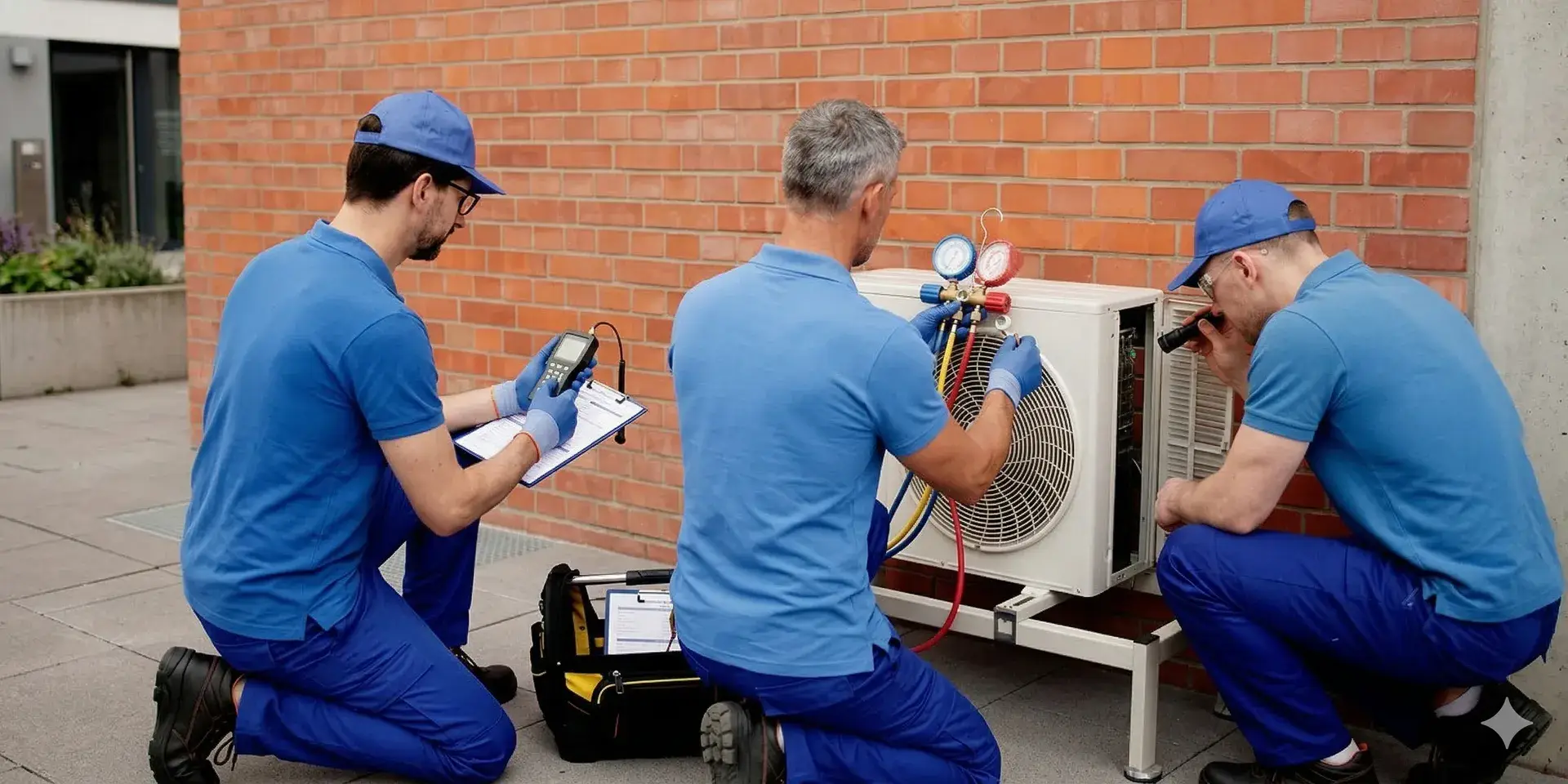
If your upstairs consistently feels hotter than the rest of your home, there’s usually a reason. A professional HVAC inspection can uncover airflow restrictions, insulation deficiencies, duct leaks, or equipment issues that may be affecting your comfort.
At Comfort Detectives, we specialize in solving the comfort mysteries other companies overlook. By investigating the entire system—not just the symptoms—we help homeowners achieve more consistent temperatures, improved efficiency, and lasting comfort throughout the home.
Need Answers?
If you’re tired of fighting hot upstairs bedrooms and uneven temperatures, schedule a comfort evaluation with the Comfort Detectives and let us uncover what’s really causing the problem.